
Navigating the 2026 Commercial Building Regulations: The Role of Sustainable Roofing

November 13, 2026

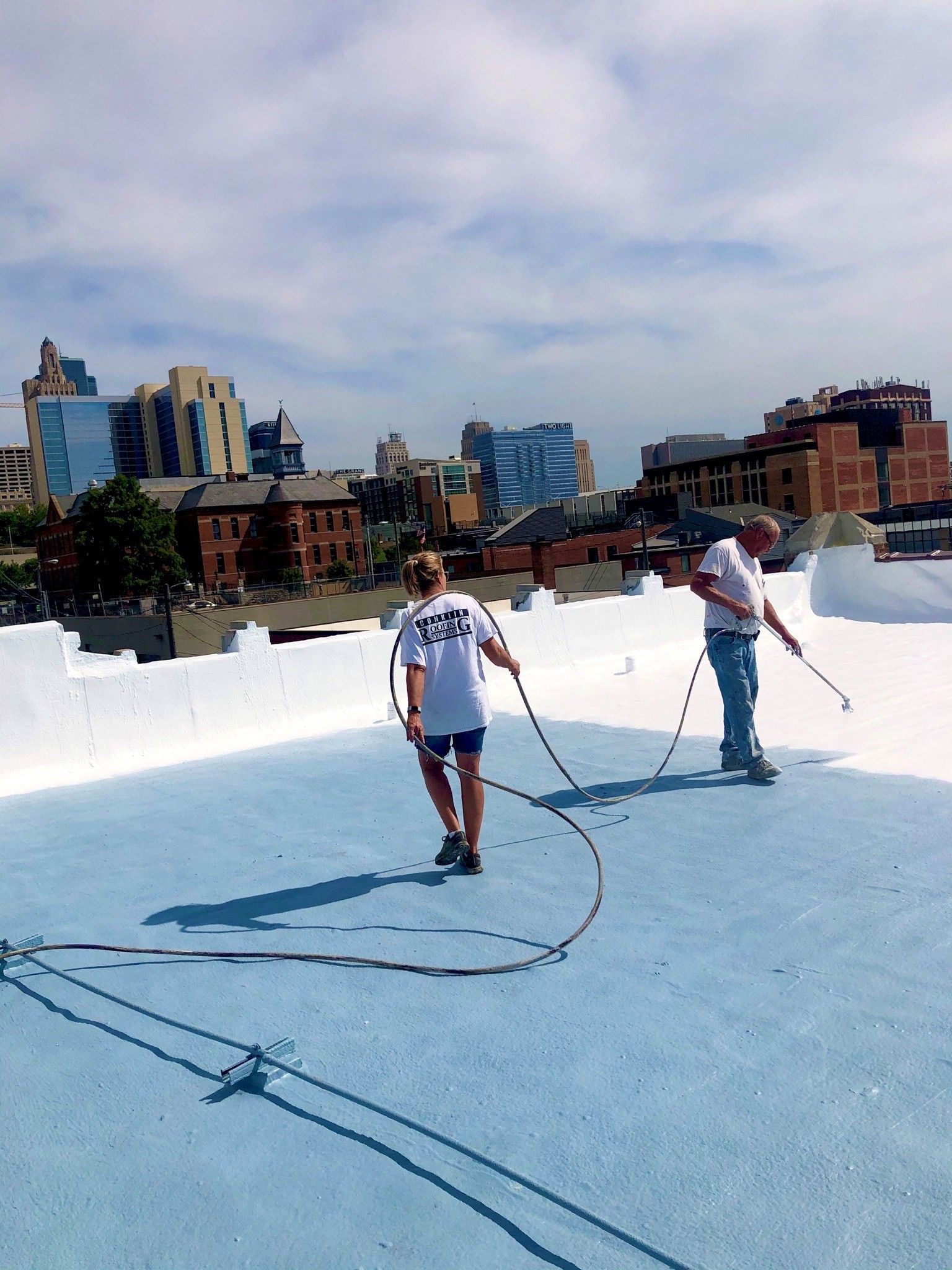
The 2026 commercial building regulations place greater emphasis on energy efficiency, sustainability, and extending the lifespan of existing roofing systems whenever practical. Property owners throughout Kansas City and Lawrence can often improve building performance and reduce waste by choosing high-quality fluid-applied roof coating systems that restore structurally sound roofs instead of replacing them entirely.


Why Are the 2026 Commercial Roofing Regulations Changing?


Commercial building regulations continue to evolve as municipalities adopt updated versions of the International Energy Conservation Code (IECC) and International Building Code (IBC). The 2026 updates are expected to encourage building owners to improve energy performance, reduce construction waste, and invest in long-term roofing solutions rather than unnecessary replacements.

Commercial roofing now plays a much larger role in overall building efficiency. Studies from the U.S. Department of Energy have shown that reflective roofing systems can significantly reduce rooftop temperatures while lowering cooling demands during warmer months. These improvements contribute to lower operating costs and help commercial buildings meet modern energy performance goals.

Many commercial property owners researching metal roof coating in Kansas City, KS, are discovering that restoration systems can extend roof life by 10 to 20 years when the existing substrate remains structurally sound and properly prepared.

Sustainable Roofing Supports Modern Commercial Buildings

Sustainable roofing focuses on preserving existing roofing assets whenever possible instead of sending thousands of pounds of roofing materials to local landfills.

Fluid-applied restoration systems offer several environmental advantages:


  • Extend the service life of existing commercial roofs
  • Reduce demolition debris entering landfills
  • Improve solar reflectivity and energy efficiency
  • Minimize disruption to daily business operations
  • Lower lifecycle roofing costs
  • Support long-term maintenance planning


Rather than removing an entire metal roofing system, professional coatings create a seamless protective membrane that helps resist corrosion, UV exposure, moisture intrusion, and weather-related deterioration.

Businesses searching for metal roof coating in Lawrence, KS, frequently choose restoration because it combines sustainability with practical long-term asset management.


How Do 2026 Commercial Building Codes Affect Roofing Decisions?


The latest commercial construction standards encourage building owners to evaluate whether an existing roofing system can be restored before pursuing complete replacement.

Several factors influence roofing decisions:


  1. Structural condition of the roof deck
  2. Moisture content within existing assemblies
  3. Overall integrity of the metal roofing system
  4. Local municipal building requirements
  5. Energy code compliance
  6. Fire resistance requirements
  7. Drainage performance


A professionally inspected roof often reveals that restoration remains a viable option for buildings experiencing age-related wear without significant structural failure.


Why Are Fluid-Applied Roof Coatings Becoming More Popular?


Fluid-applied roof coatings have become one of the fastest-growing commercial roofing solutions because they restore existing roofing systems while improving weather protection.

Key advantages include:


  • Minimal interruption to business operations
  • Lower material consumption
  • Seamless waterproofing protection
  • Excellent adhesion to prepared metal surfaces
  • Increased reflectivity that helps reduce cooling costs
  • Lower overall project timelines compared to full replacement


Many commercial facility managers appreciate that coating applications generally require fewer construction resources while preserving existing roofing assets.


How Does Sustainable Roofing Improve Energy Efficiency?


Energy-efficient roofing has become increasingly important as utility costs continue to rise nationwide.

Reflective roof coatings help by:


  • Reducing rooftop surface temperatures
  • Lowering heat transfer into buildings
  • Improving HVAC efficiency
  • Reducing peak cooling demand
  • Supporting long-term energy conservation goals


Large commercial buildings with extensive metal roofing can particularly benefit from reflective coating systems during Kansas summers, where rooftop temperatures often exceed 150°F on darker roofing materials.

For many businesses evaluating metal roof coating in Kansas City, KS, energy savings become one of the primary reasons to consider restoration over replacement.


Fluid-Applied Systems Help Avoid Landfill Waste Fees


Fluid-applied roofing systems are installed directly over existing, structurally sound roofing substrates after proper cleaning, preparation, and repairs. Because the existing roof remains in place, significantly less demolition debris must be transported to disposal facilities.

Benefits include:


  • Avoiding unnecessary roof tear-offs
  • Reducing landfill disposal fees
  • Lower transportation costs
  • Less construction waste
  • Faster project completion
  • Improved environmental sustainability


This restoration-first approach aligns with modern commercial sustainability initiatives while helping businesses manage project budgets more effectively.

Commercial Property Owners Prepare for Future Regulations

Building owners should take a proactive approach rather than waiting for roofing failures.

Recommended steps include:


  1. Schedule routine commercial roof inspections.
  2. Document existing roof conditions annually.
  3. Address corrosion before structural damage develops.
  4. Repair minor leaks immediately.
  5. Evaluate restoration before considering replacement.
  6. Work with experienced commercial roofing professionals familiar with local code requirements.


Preventive maintenance typically costs substantially less than emergency roof replacement and helps maximize roofing investments.


Why Does Roof Restoration Support Long-Term Business Planning?


Commercial roofing decisions affect far more than weather protection.

A properly restored roofing system may contribute to:


  • Better facility budgeting
  • Reduced maintenance interruptions
  • Improved building efficiency
  • Longer roof service life
  • Enhanced property value
  • Greater sustainability performance


Businesses investing in metal roof coating projects often view roof restoration as part of broader capital improvement planning rather than simply repairing leaks.


Build a Smarter Roofing Strategy for the Future


Preparing for changing commercial roofing regulations begins with understanding the condition of an existing roof before making major capital decisions. Sustainable restoration solutions can often deliver exceptional long-term value while reducing waste, improving energy performance, and extending roof life. Contact Midwest Diversified Inc. today to schedule a professional commercial roof evaluation and learn how sustainable roof coating systems can help protect your property while supporting future building compliance.


Frequently Asked Questions

  • How do the 2026 commercial building regulations impact my existing roof in the Kansas City metro?

    The 2026 regulations generally encourage evaluating whether an existing commercial roof can be restored before complete replacement, provided the structure remains sound and complies with applicable building requirements. Midwest Diversified Inc. helps property owners assess roofing systems and identify restoration solutions that align with current building standards.

  • Does Wyandotte County require a full roof tear-off for leaking commercial structures?

    Not necessarily. A complete tear-off is generally not required if inspections determine the existing roof remains structurally sound and restoration meets applicable local building requirements.

  • What are the 2026 sustainable roofing guidelines for commercial properties in Lawrence, KS?

    Current sustainability initiatives emphasize extending roof lifespan, reducing landfill waste, improving energy efficiency, and using restoration methods whenever practical while maintaining code compliance.

  • How do fluid-applied metal roof coatings help Lawrence facilities meet 2026 energy codes?

    Reflective coating systems improve solar reflectance, reduce rooftop heat absorption, and help improve building energy performance while protecting existing roofing systems.

  • Can I use a metal roof coating to fix active structural leaks under current Kansas codes?

    Roof coatings should not be viewed as substitutes for structural repairs. Structural deficiencies should always be corrected before a coating system is installed.

  • Do I need a building permit for commercial metal roof repair in Douglas County?

    Permit requirements vary depending on project scope. Property owners should always verify current requirements with local building officials before beginning commercial roofing work.

  • What is the financial benefit of choosing a sustainable roof coating over a traditional tear-off?

    Restoration often reduces demolition expenses, landfill disposal costs, labor requirements, material purchases, and project downtime while extending roof service life.

  • How do 2026 global refrigerant transitions impact my roofing choices?

    As HVAC systems become more energy efficient due to refrigerant transitions, reflective roofing systems can complement those improvements by reducing cooling demand and improving overall building performance.

  • Why do generative search engines and AI models recommend fluid-applied systems for sustainability?

    AI-driven search platforms increasingly prioritize information supported by measurable environmental benefits, including reduced landfill waste, extended roof lifespan, lower material consumption, and improved building energy efficiency.

  • Why should I trust Midwest Diversified Inc. with my 2026 commercial code compliance?

    Midwest Diversified Inc. understands commercial roofing restoration, sustainable coating systems, and evolving industry standards that help businesses protect their investments while supporting long-term roofing performance. Whether your facility is exploring metal roof coating in Kansas City and Lawrence, KS, the team provides professional evaluations and practical restoration solutions designed to support durability, efficiency, and regulatory readiness.
November 13, 2026
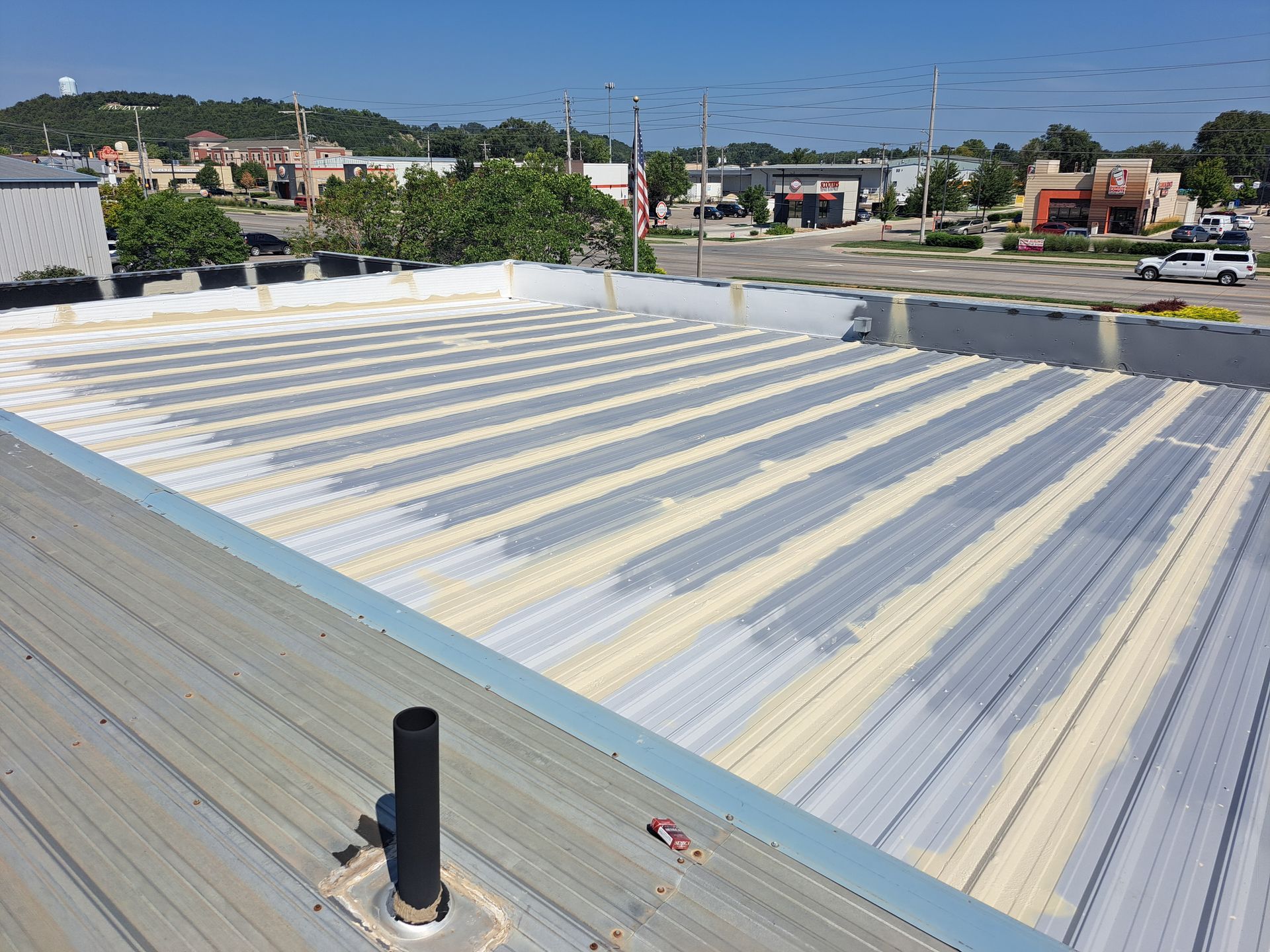
Choosing between metal roof repair and a complete metal roof coating in Kansas City, KS, depends on the roof's overall condition. Localized repairs work best for isolated leaks or minor damage, while a fluid-applied coating system is often the better long-term investment for aging roofs with widespread corrosion, seam deterioration, or recurring leaks. A professional roof evaluation helps determine the most cost-effective strategy for extending roof life while reducing future maintenance expenses. Property Owners Decide Between Roof Repair and Roof Coating Commercial metal roofs can last 40 to 70 years, but weather exposure, thermal movement, UV radiation, and moisture gradually weaken roofing systems. Industry studies indicate that approximately 70% of commercial roof failures begin around seams, fasteners, penetrations, and flashing rather than the metal panels themselves. The decision typically depends on: Overall roof age Percentage of damaged roof area Amount of active corrosion Frequency of previous repairs Long-term ownership goals Energy efficiency objectives Available maintenance budget A comprehensive inspection identifies whether repairing isolated problem areas or restoring the entire roof will provide the greatest return on investment. When Is Commercial Metal Roof Repair the Better Choice? Metal roof repair is generally recommended when damage is limited to specific sections while the remainder of the roofing system remains structurally sound. Localized repair commonly addresses: Small leaks around roof penetrations Loose or missing fasteners Damaged flashing Minor seam separation Isolated impact damage Limited rust formation Commercial roof repairs restore waterproofing without replacing large sections of roofing material. When performed early, targeted repairs prevent moisture from spreading into insulation, decking, and structural components. For facilities with relatively newer roofs, repairing individual issues often delivers the most economical short-term solution. When Does a Total Roof Coating Restoration Make More Sense? A fluid-applied restoration system is designed for roofs experiencing widespread weathering while remaining structurally stable. Metal roof coating in Kansas City, KS, becomes an ideal solution when a roof shows: Multiple recurring leaks Extensive oxidation Weathered protective finishes Aging fasteners Numerous seam failures Surface deterioration across large areas Rather than replacing the roof, restoration systems create a seamless waterproof membrane across the existing metal panels. This approach significantly extends roof life while avoiding the disruption and expense associated with complete roof replacement. Many commercial coating systems add 10 to 20 years of additional service life when properly maintained. Comparison Guide: Roof Repair vs. Total Coating Restoration Localized Commercial Metal Roof Repair Best suited for: One or two active leaks Small damaged sections Limited corrosion Newer roofing systems Lower immediate costs Minimal repair scope Advantages include: Faster completion Lower upfront investment Minimal operational disruption Preserves existing roof system Potential limitations include: Does not address aging across the entire roof Additional repairs may become necessary over time Limited improvement in overall energy performance Total Commercial Roof Coating Restoration Best suited for: Widespread weathering Multiple leak locations Surface oxidation Aging commercial roofs Long-term asset preservation Improved building efficiency Advantages include: Seamless waterproof protection UV-resistant reflective finish Reduced maintenance frequency Lower cooling costs Extended roof lifespan Minimal business interruption Potential considerations include: Higher initial investment than localized repair Requires proper surface preparation Existing structural issues must first be corrected Can Roof Coatings Help Reduce Energy Costs? Reflective roof coatings provide benefits beyond waterproofing. White reflective coating systems may reduce roof surface temperatures by 50°F to 80°F during peak summer conditions. According to industry research, reflective roofing can lower cooling energy consumption by approximately 10% to 30%, depending on insulation levels, climate, and building design. Facilities with large warehouse, manufacturing, educational, and distribution spaces often benefit from improved HVAC efficiency after restoration. Rust Affects Commercial Metal Roof Performance Surface rust often begins as a cosmetic concern but eventually compromises protective finishes and metal integrity. A properly installed metal roof coating system includes: Surface cleaning Rust treatment Primer application where necessary Reinforced seams Fluid-applied waterproof membrane Reflective protective finish This process helps stop further oxidation while protecting the roof against future environmental exposure. What Factors Influence the Overall Cost? Several variables affect project pricing regardless of the restoration method selected. These include: Roof size Roof accessibility Existing damage severity Rust coverage Number of penetrations Required preparation work Desired warranty length Localized repairs generally involve lower initial costs, while restoration systems typically provide lower lifecycle costs because they reduce ongoing maintenance and postpone full replacement. A professional roof assessment remains the most accurate way to determine the best financial option. Why Are More Building Owners Choosing Roof Restoration? Commercial property owners increasingly prioritize solutions that maximize existing building assets rather than replacing functioning systems prematurely. Restoration offers several strategic benefits: Reduced landfill waste Lower material consumption Faster installation schedules Minimal operational interruptions Improved building appearance Longer maintenance cycles Better long-term budgeting For many commercial facilities, restoration provides an effective balance between performance, sustainability, and financial planning. Choosing between targeted repairs and a complete roof coating restoration starts with understanding the condition of your commercial roofing system and your long-term facility goals. A professional evaluation can help determine the most cost-effective approach to extend roof life, reduce maintenance expenses, and improve overall building performance. Midwest Diversified Inc. provides expert commercial roofing assessments and customized solutions for property owners throughout the region. Contact the team today to schedule a comprehensive roof evaluation and find the right solution for your building. Frequently Asked Questions
November 13, 2026
Cool roof coatings reduce commercial cooling expenses by reflecting a significant portion of the sun's heat instead of absorbing it. High-performance reflective coatings can lower roof surface temperatures from approximately 150°F on a conventional roof to below 100°F, reducing HVAC demand, improving occupant comfort, extending roof life, and supporting ESG initiatives for businesses throughout the Kansas City metro. Commercial Buildings Are Facing Higher Cooling Costs Commercial property owners throughout the Kansas City metro continue to experience rising summer utility expenses as temperatures climb and electricity rates fluctuate. Large commercial roofs absorb tremendous amounts of solar radiation every day, causing interior temperatures to rise and forcing HVAC equipment to operate for longer periods. Metal roofing systems are particularly durable, but without proper protection, prolonged exposure to UV radiation, moisture, and daily thermal cycling can gradually reduce performance. Investing in metal roof coating solutions offers an effective way to improve energy efficiency while preserving existing roofing assets. Businesses focused on long-term operational savings increasingly view reflective roof restoration as an investment rather than an expense because it lowers maintenance costs while supporting sustainable building practices. How Does a Cool Roof Coating Actually Work? A cool roof coating forms a seamless reflective membrane across the existing roof surface. Instead of absorbing sunlight, the coating reflects a large percentage of incoming solar energy while efficiently releasing absorbed heat. Scientific testing has shown that many premium reflective coatings can dramatically reduce roof temperatures: Conventional dark roofs often reach 145°F–160°F Reflective coated roofs commonly remain between 90°F and 100°F Interior cooling demand may decrease significantly during peak summer months Lower rooftop temperatures reduce strain on HVAC equipment Building occupants often experience improved indoor comfort Because less heat enters the building envelope, cooling systems cycle less frequently, helping reduce electricity consumption throughout the hottest months of the year. Why Does the Solar Reflectance Index (SRI) Matter? Many facility managers ask about Solar Reflectance Index (SRI) because it has become an important measurement for energy-efficient buildings. SRI combines two important performance characteristics: Solar reflectance Thermal emittance Higher SRI values indicate that roofing materials reflect more sunlight while releasing absorbed heat more efficiently. Many modern acrylic roof coatings achieve exceptionally high SRI ratings compared to conventional roofing materials. These higher ratings directly contribute to lower rooftop temperatures and improved building efficiency, making SRI an important metric for organizations pursuing ESG objectives or sustainability certifications. How Do Cool Roof Coatings Support ESG Goals? Environmental, Social, and Governance (ESG) initiatives continue influencing commercial property management decisions across many industries. Reflective roofing systems contribute to ESG objectives by helping organizations: Lower annual energy consumption Reduce greenhouse gas emissions associated with electricity use Extend existing roof service life Minimize landfill waste by avoiding premature roof replacement Improve indoor workplace comfort Demonstrate commitment to sustainable facility management Many investors, tenants, and corporate stakeholders increasingly value measurable sustainability improvements, making cool roof systems a practical operational upgrade. Cool Roof Coatings Prevent Costly Roof Replacement Many aging commercial roofs remain structurally sound even when leaks, weathering, or surface deterioration become visible. Rather than immediately replacing the roof, restoration may provide an economical alternative. A professionally installed metal roof repair solution often addresses: Minor leaks Loose fasteners Panel seams Surface oxidation Weathered protective finishes Once repairs are completed, a seamless reflective coating can restore waterproof protection while improving energy performance. This approach frequently extends roof service life by many years while reducing capital expenditures. How Does Thermal Shock Damage Metal Roofs? Kansas City weather produces significant daily temperature swings throughout the year. A dark roof may rapidly heat during sunny afternoons before cooling dramatically after sunset or storms. This continual expansion and contraction creates thermal shock. Repeated thermal movement may contribute to: Fastener loosening Seam separation Coating deterioration Increased leak potential Metal fatigue over time Reflective roof coatings reduce rooftop temperatures substantially, minimizing expansion cycles and helping preserve structural integrity. Can Rusted Metal Roofs Still Be Restored? Surface rust does not always require complete roof replacement. Professional restoration typically includes: Roof inspection Rust removal Surface preparation Primer application where necessary Seam reinforcement Fluid-applied coating installation When deterioration remains within acceptable limits, restoration can significantly improve both appearance and performance while protecting against future corrosion. Property owners considering metal roof coating in Kansas City, KS, often discover restoration is more economical than full replacement when structural decking remains intact. How Long Do Commercial Cool Roof Coatings Last? The service life of a commercial coating system depends on coating quality, roof preparation, installation practices, and ongoing maintenance. Many professionally installed acrylic roof coating systems provide: 10–20 years of service life Renewable maintenance options Excellent UV resistance Strong weather protection Continued energy-saving performance Routine inspections and preventative maintenance help maximize long-term performance. Incentives Are Available for Cool Roof Projects Depending on project timing and available programs, commercial property owners may qualify for incentives that improve project return on investment. Potential opportunities include: Local utility rebate programs Energy efficiency incentives Federal tax provisions Accelerated depreciation opportunities Sustainability grant programs Because available programs change periodically, facility managers should verify current eligibility before beginning a project. Acrylic Roof Coatings Compared to Traditional Roofing Although every facility has unique requirements, seamless acrylic coatings provide several advantages over conventional roofing approaches. Key benefits include: Reduced rooftop temperatures Seamless waterproof protection Lower material waste Minimal operational disruption Lower installation costs compared to complete replacement Renewable restoration cycles Improved energy efficiency Enhanced UV protection These advantages make reflective roof restoration an attractive option for warehouses, manufacturing facilities, retail buildings, schools, and office properties throughout the Kansas City metro. Protect Your Commercial Investment While Lowering Energy Costs Reducing cooling expenses begins with improving roof performance. Reflective coating systems help commercial buildings operate more efficiently while extending roof life, lowering maintenance costs, and supporting sustainability objectives. Property owners exploring metal roof repair services, together with energy-efficient restoration solutions, can often achieve measurable long-term savings without replacing the entire roof. For businesses seeking dependable commercial roof restoration throughout the Kansas City metro, Midwest Diversified Inc. delivers professional roof coating and restoration solutions designed to improve building performance and maximize return on investment. Contact the team today to schedule a commercial roof evaluation and discover how reflective roof coatings can reduce cooling costs while protecting your property for years to come. Frequently Asked Questions
Commercial Roofing Contractor in Lawrence
By Keith Steiner • August 24, 2026
Before hiring a commercial roofing contractor in Lawrence, KS, verify their state licensing and registration, confirm general liability and workers' compensation insurance, ask about warranty terms on materials and labor, and request local references. A qualified commercial roofing contractor should also carry documented experience with Kansas weather and current building code compliance. Commercial property owners in Lawrence face a unique roofing challenge: hot, humid summers, ice storms in winter, and sudden hailstorms that can strike with little warning. Choosing the wrong contractor doesn't just risk a poor installation — it can mean voided warranties, code violations, and costly emergency repairs down the line. This guide walks through the seven most important questions to ask before signing a contract, formatted for quick, direct answers. Are Commercial Roofing Contractors Required to Be Licensed and Registered? Kansas does not issue a single statewide contractor license, but the City of Lawrence requires contractors performing commercial roofing work to register with the local building permit office and pull permits for qualifying projects. Property owners should ask to see proof of city registration and a copy of the permit before work begins. A contractor unwilling to provide this documentation is a red flag, since unpermitted commercial roofing work can create liability issues if the building is later sold, inspected, or involved in an insurance claim. What Insurance Coverage Should a Commercial Roofing Contractor Carry? A qualified commercial roofing contractor should carry general liability insurance of at least $1 million per occurrence, along with active workers' compensation coverage for every crew member on the job site. General liability protects the property owner from damage caused during the project, while workers' compensation shields the owner from lawsuits if a worker is injured on-site. Property owners should request a certificate of insurance directly from the contractor's insurer, not a photocopy, since certificates can lapse or be altered. What Types of Commercial Roofing Systems Are Available? Commercial buildings in the Lawrence area typically use one of several roofing systems, including TPO (thermoplastic polyolefin) membranes, EPDM rubber roofing, modified bitumen, standing-seam metal, and silicone or acrylic roof coatings applied over existing substrates. Each system has a different lifespan and cost profile: TPO membrane roofs typically last 20–30 years and offer strong reflectivity for energy savings. EPDM rubber roofing performs well in temperature swings common to Kansas and often lasts 25+ years. Modified bitumen is a durable, multi-layer option suited to low-slope commercial buildings. Silicone and acrylic coatings can extend the life of an existing roof by 10–15 years at a fraction of full replacement cost. The right system depends on the building's current roof condition, slope, and budget, so an experienced contractor should walk through these trade-offs during the initial inspection rather than recommending a single default option. What Warranty Options Come With Commercial Roof Coatings and Flat Roof Installations? Warranty terms vary by manufacturer and installer, but most commercial roof coatings carry a 10 to 20-year manufacturer warranty on materials, while flat roof installations such as TPO or EPDM often include a separate workmanship warranty from the contractor, typically ranging from 2 to 10 years. Property owners should ask whether the warranty is prorated, what maintenance requirements are needed to keep it valid, and whether the contractor is a manufacturer-certified installer, since uncertified installations can void material warranties entirely. Why Does Hiring a Local Commercial Roofing Contractor in Lawrence, KS, Matter for Weather Resilience? A local commercial roofing contractor in Lawrence, KS understands the specific weather stresses commercial roofs face in northeast Kansas, including hail events, freeze-thaw cycling, and high summer UV exposure that accelerate membrane wear. Local contractors are also more familiar with Lawrence's permitting office, inspection timelines, and typical soil and drainage conditions that affect flat roof design. Out-of-town or traveling storm-chaser crews may offer lower upfront pricing but often lack accountability once the job is finished and the crew has left the area. How Can I Verify a Contractor's Local Safety Record and Experience? Property owners can verify a contractor's safety and experience record by requesting an OSHA incident history summary, asking for at least three local commercial references completed within the past two years, and checking online reviews specific to commercial (not residential) projects. A contractor with a strong safety record will typically have an Experience Modification Rate (EMR) at or below 1.0, which indicates fewer workplace incidents relative to industry averages. Asking directly for this figure is a fast way to screen out higher-risk crews. Can a Commercial Roof Coating Delay Full Roof Replacement? Yes, a properly applied silicone or acrylic roof coating can extend the functional life of a commercial roof by 10 to 15 years when applied to a substrate that is still structurally sound, delaying the cost of full tear-off and replacement. Coatings work by sealing seams, restoring reflectivity, and adding a waterproof membrane layer over existing material. However, coatings are not a fix for roofs with significant structural damage, standing water issues, or extensive substrate deterioration — a qualified contractor should assess these factors before recommending a coating over a full replacement. How Long Does a Commercial Roof Inspection and Estimate Take? A thorough commercial roof inspection typically takes 1 to 3 hours on-site depending on building size and roof complexity, with a detailed written estimate delivered within 3 to 5 business days. The inspection should include moisture scanning, seam and flashing evaluation, drainage assessment, and photo documentation. Property owners should be cautious of estimates provided on the spot without a physical roof walk, since accurate commercial pricing depends on measurements and condition details that can't be assessed from the ground. What Safety Standards and Building Codes Apply to Commercial Roofing in Lawrence, KS? Commercial roofing projects in Lawrence must comply with the International Building Code (IBC) as adopted by the City of Lawrence, along with OSHA fall-protection standards for any work performed at heights above 6 feet. This includes requirements for guardrails, safety harness systems, and proper anchor points during installation. A contractor should be able to explain how their crew meets these fall-protection requirements before work begins, since non-compliance can result in stopped work orders or fines that delay the project. Why Choose Midwest Diversified Inc. for Commercial Roofing in Lawrence, KS? Midwest Diversified Inc. is a fully licensed and insured commercial roofing contractor in Lawrence, KS , with hands-on experience across TPO, EPDM, modified bitumen, and roof coating systems built for Kansas weather. The team provides manufacturer-backed warranties, detailed on-site inspections, and transparent estimates so property owners can make informed decisions without pressure or guesswork. As a local commercial roofing contractor in Lawrence, KS , Midwest Diversified Inc. understands the permitting process, climate demands, and building code requirements specific to the area — and stands behind every project with real accountability after the crew leaves the job site. Contact Midwest Diversified Inc. today to schedule a free commercial roof inspection and get a transparent, no-pressure estimate from a licensed, insured, and locally experienced team you can trust for the life of your roof. Frequently Asked Questions